

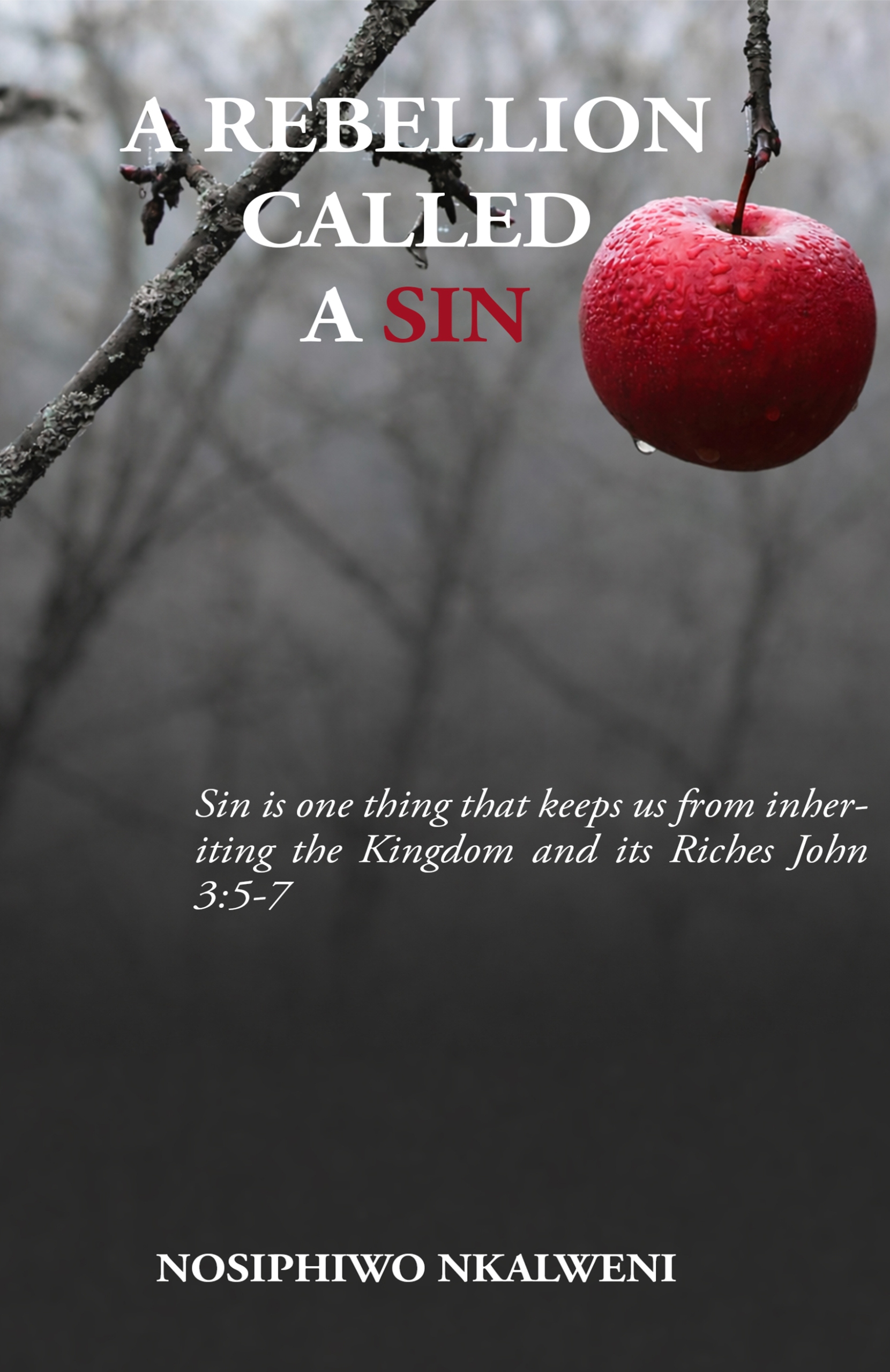
Description
Introduction
A Rebellion Called Sin is a powerful narrative that confronts the tension between obedience and independence. It presents a world governed by strict moral codes, where questioning authority is considered dangerous. The story quickly shifts from quiet doubt into a full-scale rebellion driven by curiosity, truth-seeking, and emotional awakening. At its core, A Rebellion Called Sin challenges readers to reconsider what society labels as right or wrong.
The World of Control and Belief
In A Rebellion Called Sin, society is built on unquestioned traditions and rigid belief systems. Every action is measured against strict expectations, leaving little room for personal interpretation. The protagonist begins to notice cracks in this structure. These small doubts grow into larger questions about freedom, truth, and control. As the pressure of conformity increases, the desire for independence becomes impossible to ignore.
The Rise of Defiance
The turning point in A Rebellion Called Sin comes when curiosity transforms into resistance. The protagonist begins to act against imposed rules, setting off a chain of events that exposes hidden truths within the system. Relationships become strained, alliances shift, and trust becomes fragile. Each decision pushes the character further into conflict with authority, revealing the cost of standing apart from collective belief.
Morality, Freedom, and Inner Conflict
A Rebellion Called Sin does not present rebellion as simple heroism. Instead, it examines the emotional and psychological weight of defiance. The protagonist wrestles with guilt, fear, and hope while questioning whether “sin” is truly wrongdoing or simply a refusal to submit. This internal struggle gives the story its depth, making it both personal and philosophical.
Themes of Identity and Truth
At its heart, A Rebellion Called Sin explores identity formation under pressure. It asks whether people discover who they are by following rules or by breaking them. The story encourages readers to reflect on how truth is defined and who gets to define it. Through conflict and revelation, it highlights the courage required to live authentically in a controlled environment.
Conclusion
A Rebellion Called Sin is more than a tale of resistance. It is an exploration of freedom, consequence, and self-discovery. It invites readers to question authority and reconsider the meaning of morality in their own lives. The story ultimately suggests that rebellion is not always destruction—it can also be the beginning of truth.




Nosiphiwo Nkalweni –
Best action book